
Our beloved grandfather, Poppy Sol, started this business in an open-air market. Three generations later, we’re still bringing smiles to our customers' faces.
— Richard, Boulder, CO July 1, 2009“I placed my order in the afternoon on a Thursday. Within two hours I had a confirmation email of a tracking number that my order was going out that evening. WOW!! This is my second time ordering from NutsOnline. The service is efficient and all the products I've ordered have been fresh and yummy!! The almonds are the best tasting I have ever had. The variety of products is awesome. There is something for everyone.”
See 2,082 related customer reviews
About Almonds
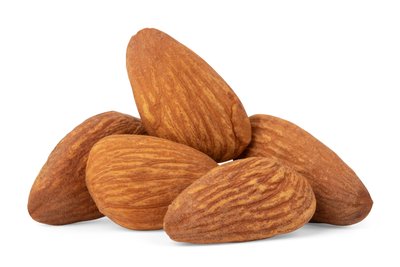
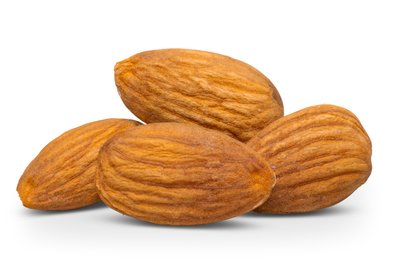
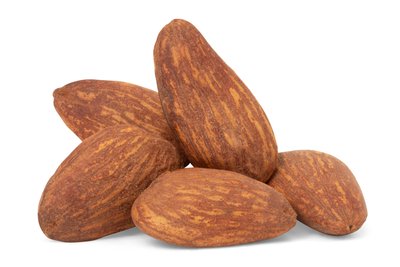
Almonds are considered one of the most popular, important, and versatile of all the tree nuts. They can be eaten raw, roasted, flavored, in candies, and as almond butter, almond milk, and almond paste. We are still discovering the many amazing nutritional benefits of almonds. At Nuts.com, we’re definitely nuts about almonds.
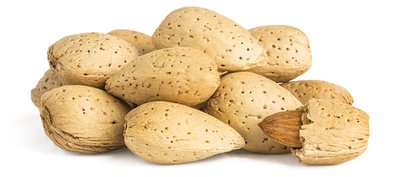
Almonds are grown on a beautiful, medium sized tree of the rose family, and are closely related to peaches, plums and apricots. The fruit consists of two parts: the interior edible seed and the surrounding hard outer shell, also called the hull. When almonds reach maturity, the hull splits open. If dried, the nut can be easily separated from the shell. Unlike peaches, where the sweet, delicious meat is consumed and the pit discarded, the almond pit is eaten while the thin fibrous external flesh is discarded.
Almond trees are very resilient and can grow to heights of twenty to thirty feet. The wood tends to be harder and stronger than that of a peach tree, the bark is a dark shade of gray, the branches are wide and spreading, and the sword-like leaves are finely toothed. These characteristics make almond trees easy to spot, especially when their pale pink flowers are blossoming.

Almonds have symbolized everything from good luck to haste throughout history and the favored method of consumption ranges from culture to culture. During the Biblical times, the Hebrews viewed almonds as a symbol of haste because almond trees quickly blossomed when placed in water in a warm place. Then, during the 1200s and 1300s in Europe, almonds were extremely popular and inexpensive, which was good for the people because they were believed to bring good luck, long life, and happiness. In Spain, the glistening ceremonial Jordan almonds are tremendously popular. Today, Jordan almonds are available in every shade imaginable and are commonly used in wedding ceremonies around the world.
The first plantings of edible almonds in North America were in Spanish missions located between San Diego and Santa Barbara, California during the late eighteenth century. Unfortunately, the damp, coastal fogs and moist conditions of this region were unsuitable to growing almonds and the plantings were eventually abandoned. Later attempts of growing almond trees in New England failed as well. It wasn't until the 1850s that areas of north-central California were recognized as suitable areas for growing almonds. The main reason that almonds grow so well in the California climate is because almonds prosper in hot, dry climates. With humidity, there is a lack of a sufficient chilling to break the resting period of the buds. Also, the moist weather increases the probability that mold will develop on the shells. Today, ninety-nine percent of the almonds grown in the United States come from a 400-mile stretch of land in California extending from Bakersfield to Red Bluff. They’ve become California's most important tree crop in terms of acreage, dollar value and world distribution. Today, the almond crop in California provides the entire needs of the domestic market and accounts for nearly half of the world's almond production.
Over fifty percent of California almonds are the Nonpareil variety, which are known for their paper thin, soft shells. The next most common variety, Mission almonds, is known for their harder shell and hearty flavor. Together, the Peerless, Thompson, Merced, Carmel, Ne Plus Ultra, along with the Mission and Nonpareil varieties make up ninety percent of California's almond crop. The average crop yield for California is about 1,800 pounds of in-shell almonds per acre (with 420,000 acres in cultivation).
Spanish almond nut acreage is over three times that of California, but production is less than one half of California’s. Spanish almonds are primarily produced on thousands of small, marginal farms located next to the Mediterranean Sea, but because the dry Spanish soil in this region is rather poor in nutrients, the shelling rate of Spanish almonds is lower than those of California almonds. California's Nonpareil almonds shell at a rate of sixty to seventy percent while Spanish almonds shell at a rate of only twenty-five percent.
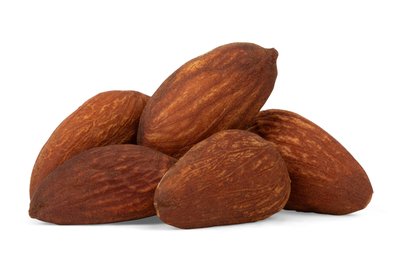
After the nuts are harvested, they are dried to reduce moisture content to less than eight percent. They are then sold shelled and sold according to size, style, and grade such whole, blanched, roasted, or slivered. Or they’re processed into almond butter, almond milk, or almond paste. Whatever form they’re sold in, we’re sure that they going to taste great.
We also offer Wholesale Almonds.
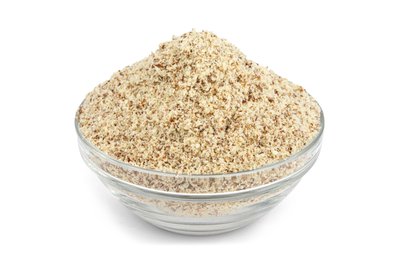
Almond Flour
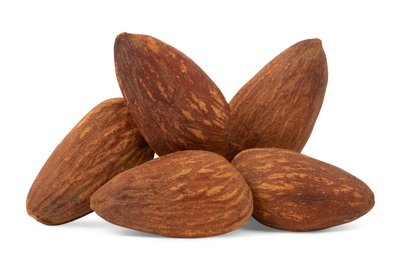
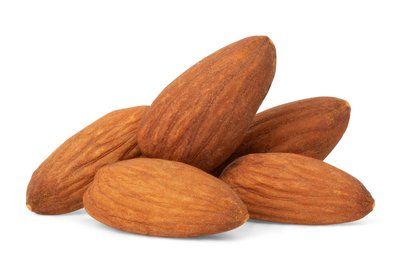
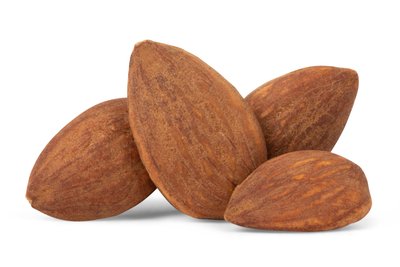
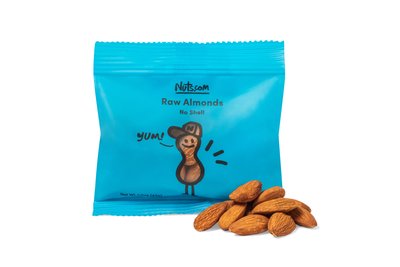
Raw Almonds (No Shell)
Roasted Almonds (Unsalted)
Organic Almonds (Raw, No Shell)
Raw Almonds (In Shell)
Organic Wild Apricot Kernels (Sweet)
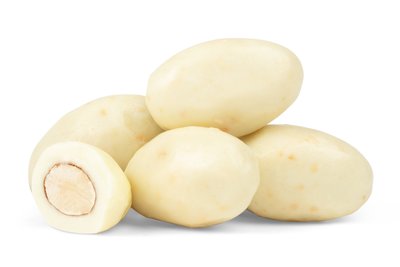
Jordan Almonds (White)
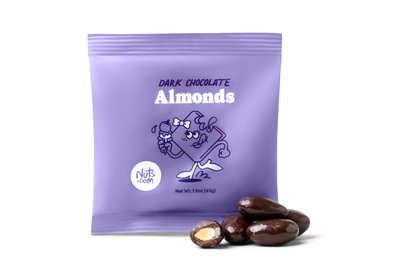
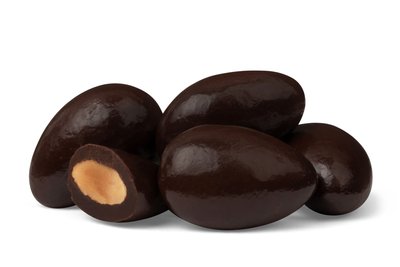
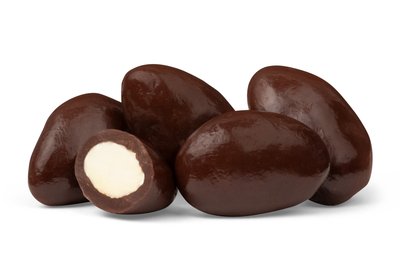
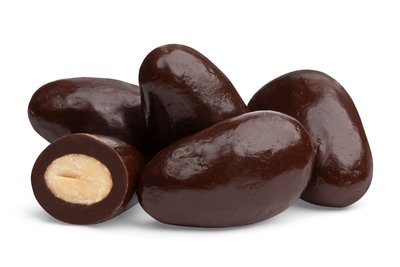
Dark Chocolate Covered Almonds
Jordan Almonds (Assorted)
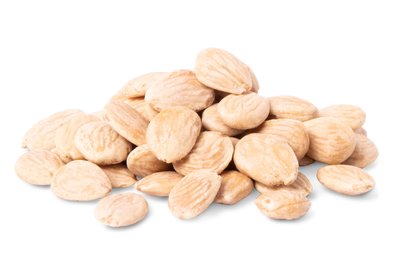
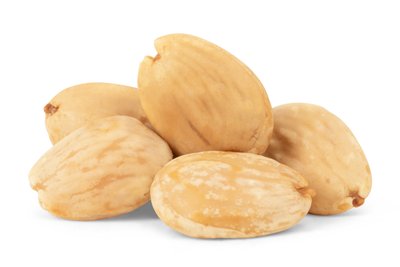
Marcona Almonds
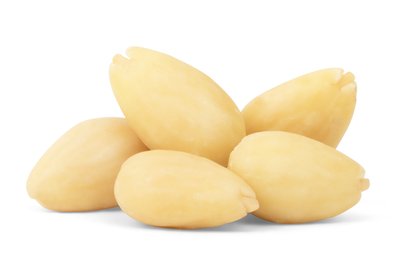
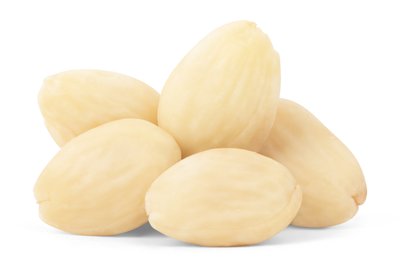
Whole Blanched Almonds
Dry Roasted Almonds (Unsalted)
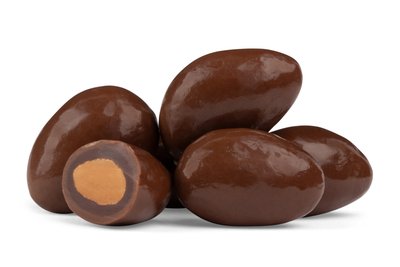
Chocolate Covered Almonds
Organic Almond Butter (Raw, Smooth)
Slivered Almonds
Sliced Natural Almonds
Organic Almond Flour (Blanched)
Hickory Smoked Almonds
Natural Almond Flour
Jordan Almonds (Ivory)
Jordan Almonds (Blue)
Jordan Almonds (Pink)
Almond Butter (Roasted, Smooth)
Sprouted Spinach Pesto Mix
Dark Chocolate Almond Bark
Almond Paste
Sliced Almonds
Jordan Almonds (Purple)
Jordan Almonds (Dark Blue)
Jordan Almonds (Lavender)
Chocolate Covered Almonds (Sugar Free)
Sprouted Almonds
Organic Almond Butter (Raw, Crunchy)
Cinnamon Roasted Almonds
Yogurt Covered Almonds
Jordan Almonds (Green)
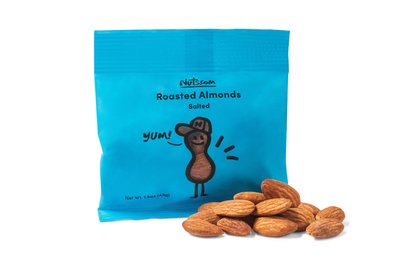
Dry Roasted Almonds (Salted)
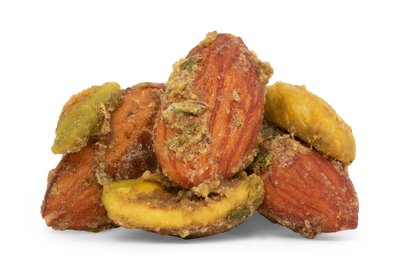
Rosemary Garlic Pistachios & Almonds
Chocolate Jordan Almonds (White)
Honey Roasted Almonds
Dark Chocolate Covered Marzipan
Jordan Almonds (Red)
Supreme Dark Chocolate Covered Almonds
Chocolate Jordan Almonds (White Sparkle)
Sesame Teriyaki Almonds & Cashews
Tamari Almonds
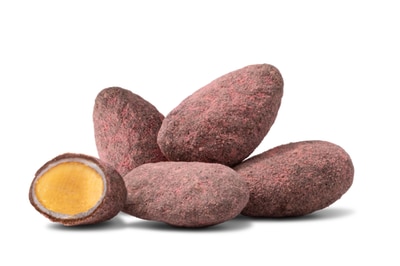
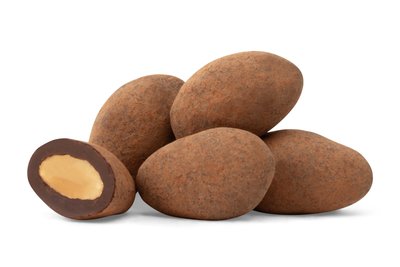
Cocoa Dusted Almonds
Chopped Almonds
Almond Butter (Roasted, Crunchy)
Jordan Almonds (Orange)
Jordan Almonds (Black)
Chocolate Almond Halvah
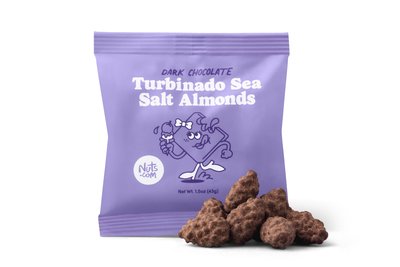
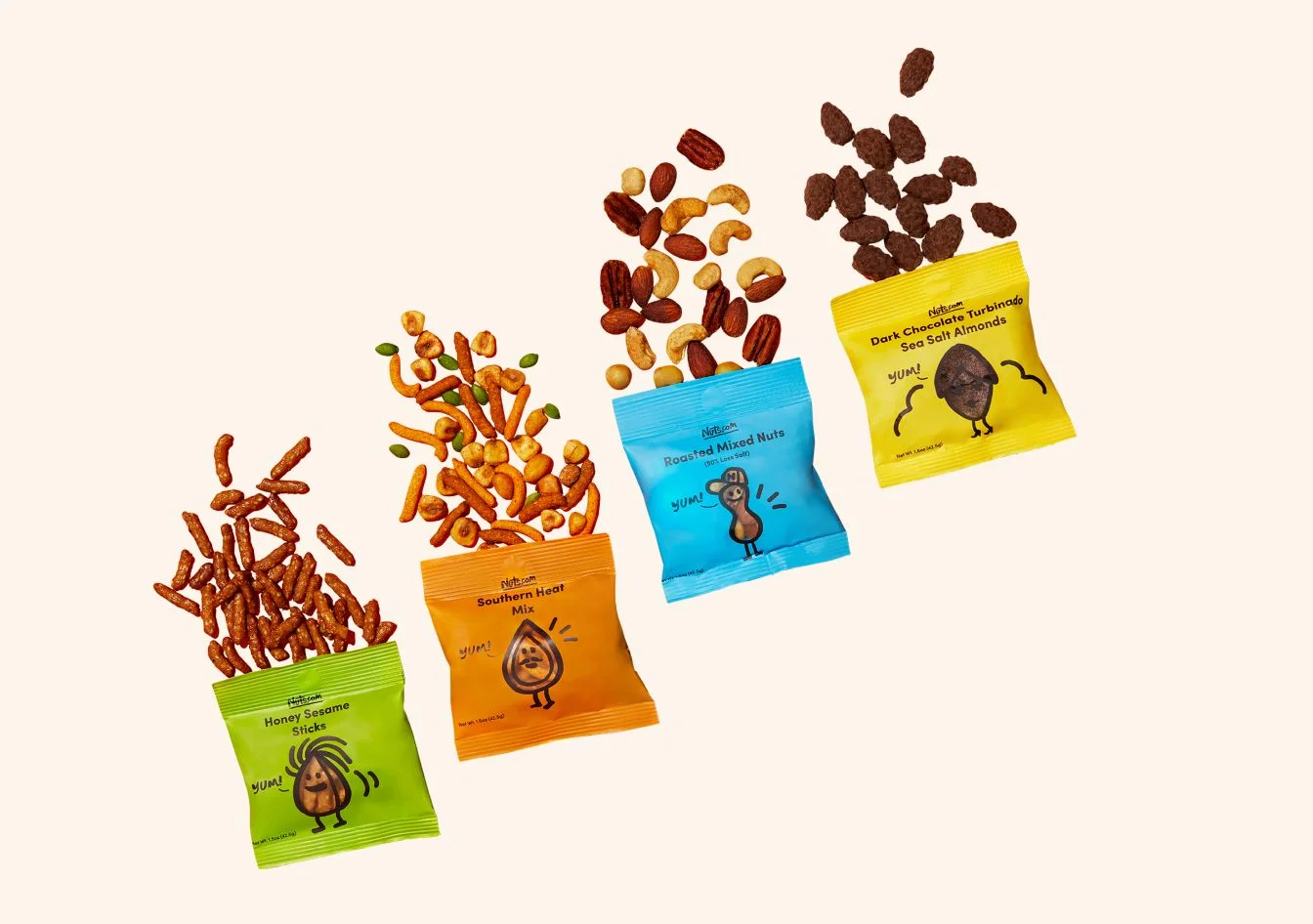
Dark Chocolate Turbinado Sea Salt Almonds
Sprouted Super Flour
Chocolate Jordan Almonds (Pink)
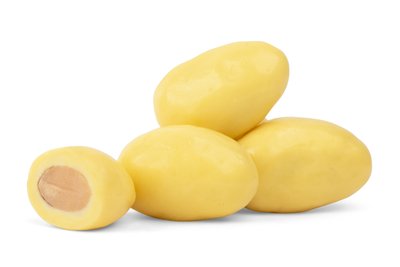
Jordan Almonds (Yellow)
Kansas City BBQ Almonds
Milk Chocolate Almond Bark
Jordan Almonds (Assorted Sugar Free)
Organic Blanched Almonds
White Chocolate Almond Bark
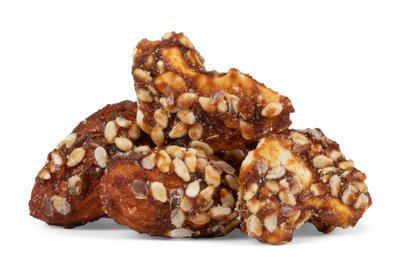
Butter Toffee Almonds
Raw Cacao Almonds & Raisins
Chocolate Jordan Almonds (Purple)
White Chocolate Chip Almonds, Cashews & Cacao Nibs
Chocolove Dark Chocolate Bar with Sea Salt and Almonds
Organic Natural Slivered Almonds
Jordan Almonds (Peach)
Chocolate Jordan Almonds (Pastel Mix)
Almondolas
Blanched Marcona Almonds
Roasted Almonds (Salted, In Shell)
Raw Marcona Almonds
Jordan Almonds (Turquoise)
Chocolate Jordan Almonds (Light Blue)
Tiramisu Almonds
Jordan Almonds (Dark Green)
Coffee & Cream Almonds
Almond Jewels
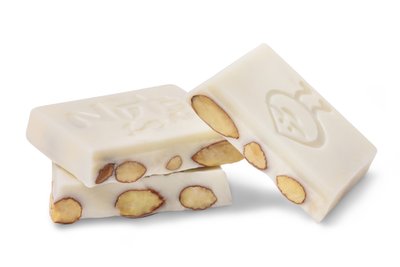
Almond Nougat
Godiva Dark Chocolate Bar with Almonds
Almond M&M's
Gold Almond Jewels
Marzipan
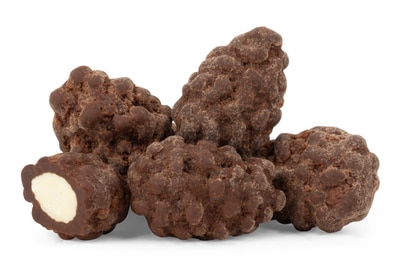
Dark Chocolate Almond Clusters
Almond Oil
Silver Almond Jewels
Organic Cocoa Dusted Almonds
Almond Crunch
Orange Almonds
Chocolate Jordan Almonds (Black)
Almond Turkish Delight
Chocolate Jordan Almonds (Pastel Sparkle)
Jordan Almonds (Teal)
Chocolate Jordan Almonds (Pastel Yellow)
Almints
Jordan Almonds (White Sugar Free)
Dark Chocolate Marcona Almonds
Milk Chocolate Almond Clusters
Almond Filling
Jordan Almonds (Sky Blue)
Almond Breeze (Original)
Almond Breeze (Vanilla)
Teriyaki Almonds
Chocolate Jordan Almonds (Light Green)
Sweet Cream Almonds
Jordan Almonds (Brown)
Nostalgic Hershey's Milk Chocolate with Almonds Bar
Tuxedo Almonds
Almond Breeze (Chocolate)